The Transpantaneira starts at Poconé, about 100 kilometres south of Cuiabá, and ends at Porto Jofre on the Cuiabá River, 147 kilometres later. There is no alternative route, no shortcut, and for long stretches no phone signal. What there is, instead, is wildlife at close range, a surface that changes personality with the season, and a procession of wooden bridges, officially counted around 122, though locals will argue the number depending on how many have recently collapsed or been rebuilt. This is not a road you rush. It is a road you read, slowly, from a truck window.
What the road actually is
The Transpantaneira is unpaved for its entire length past Poconé: compacted red earth (terra batida) in the dry months, a slick, puddled, occasionally impassable mess in the wet ones. It was built in the 1970s as part of a larger scheme to link Cuiabá to Corumbá that was never finished, which is why it simply stops at Porto Jofre instead of continuing anywhere. The bridges are the road's defining feature and its weak point: most are single-lane, wooden, and show their age. Speed limits on them are effectively self-imposed. Drivers who have done the route more than once will tell you the same thing: treat every bridge as a blind corner, slow to walking pace, and look at the planks before you trust them.
When to go, and what that changes
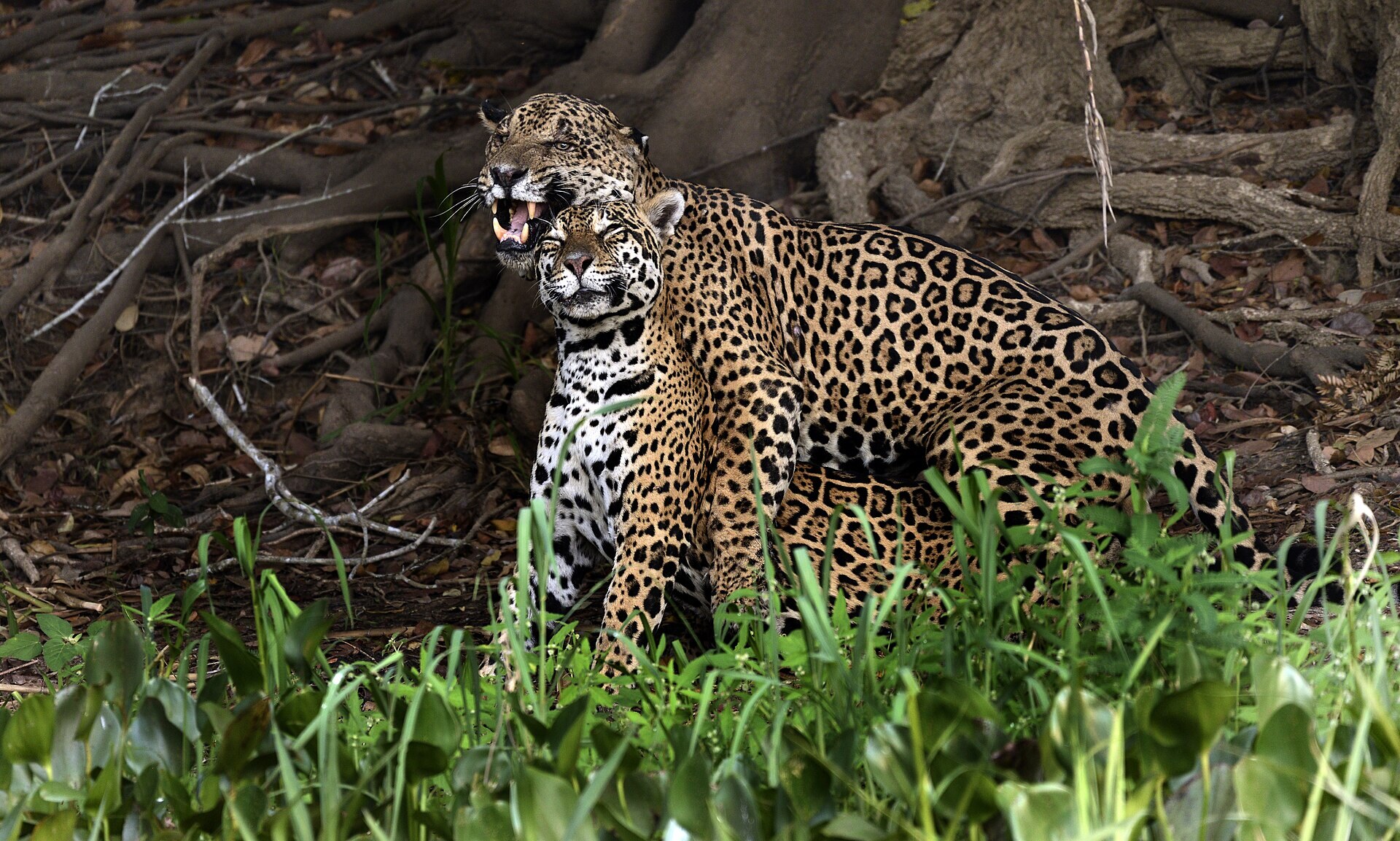
The dry season, roughly May to September, gives the most reliable driving surface and the most concentrated wildlife, since animals cluster around the remaining water. July and August are peak months for jaguar sightings near Porto Jofre, though sightings are a probability, never a guarantee, and a full day without a cat is a normal day, not a failed one. The wet season, December to March, turns sections of the road into standing water and can close stretches entirely after heavy rain; a hire car that was fine in July can be the wrong vehicle in February. The shoulder months, April and October, are a reasonable compromise: fewer other vehicles, greener scenery, and a road that is usually passable but worth checking locally before committing a full day to it.
Timing the drive
Budget far more time than the distance suggests. Allow four to six hours to cover the full 147 kilometres one way if you are stopping to look at wildlife, which you will be, repeatedly. Caimans line the roadside ditches in numbers that stop being surprising after the first hour. Capybara, various herons, and jabiru storks are near-constant. Driving the whole stretch in under three hours is possible only if you ignore all of this, which defeats the purpose of coming. Most visitors split the drive, overnighting at a lodge roughly midway, around the 50 to 70 kilometre mark, before continuing to Porto Jofre for boat-based jaguar searching, since the final stretch and the river itself are the most productive wildlife zones.
There is no fuel station on the Transpantaneira itself. Fill the tank completely in Poconé, the last town before the road turns to dirt, and carry more fuel margin than you think you need: a wrong estimate here means a long wait for help, not a quick walk to a pump.
Vehicle and driving notes
A 4x4 is strongly advised in the wet season and a sensible precaution in the dry one, since dust and loose gravel reduce traction unpredictably near the bridges. Ground clearance matters more than horsepower. Tyre pressure should be checked before departure, not after a slow puncture forces the issue halfway along. Night driving is best avoided: the bridges are harder to judge in headlights, and nocturnal wildlife, including the occasional ocelot or tapir, crosses without warning. Average speed across the whole route rarely exceeds 40 km/h, and that is the point, not a limitation.
Costs and practicalities
Self-driving a rental vehicle from Cuiabá for a multi-day Transpantaneira trip typically runs in the range of USD 40 to 80 per day depending on vehicle class and season, excluding fuel, which should be budgeted generously given the lack of stations en route. An entry checkpoint near Poconé sometimes collects a small conservation-related fee; carry small bills and your documents, since card payment should not be assumed. Lodging along the road varies widely, from simple fazenda-style rooms to more structured safari lodges, with rates climbing sharply in peak dry-season months. If self-driving feels like one variable too many, guided departures from Cuiabá handle the vehicle, the fuel logistics, and the bridge-reading, leaving you to watch instead of steer.
What to expect at Porto Jofre
The road's end is not a town in any conventional sense, more a cluster of lodges and a boat ramp onto the Cuiabá River, which is the real stage for jaguar encounters during the dry season. Boat excursions from here run on schedules set by individual operators and river conditions, so check the day's timing locally rather than assuming a fixed departure. This is also where the dirt road's logic becomes clear: 147 kilometres and roughly 122 bridges exist to get you to water, because in the Northern Pantanal, water is where almost everything happens.