Northern PantanalMATO GROSSO · BRAZIL Book a stay
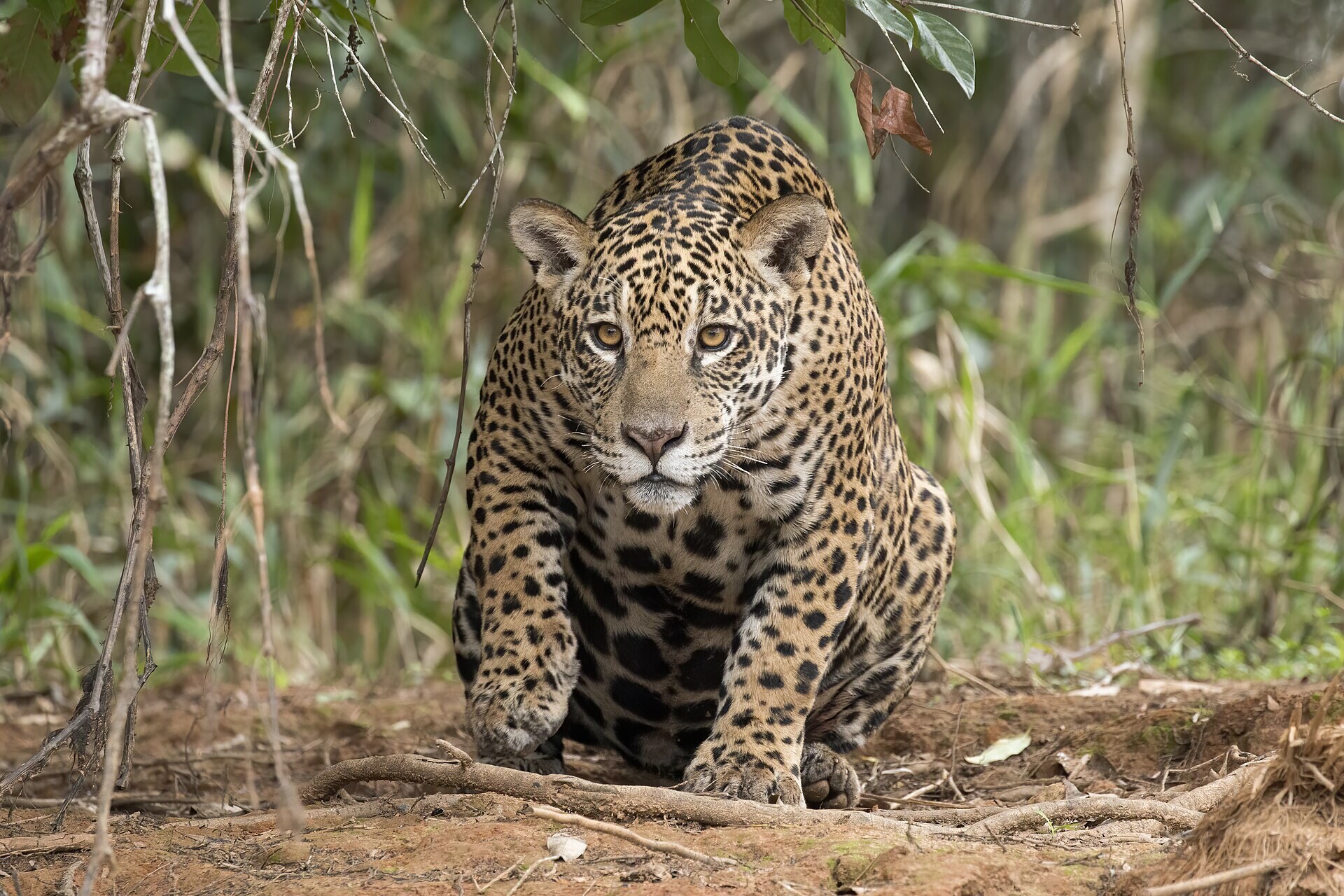
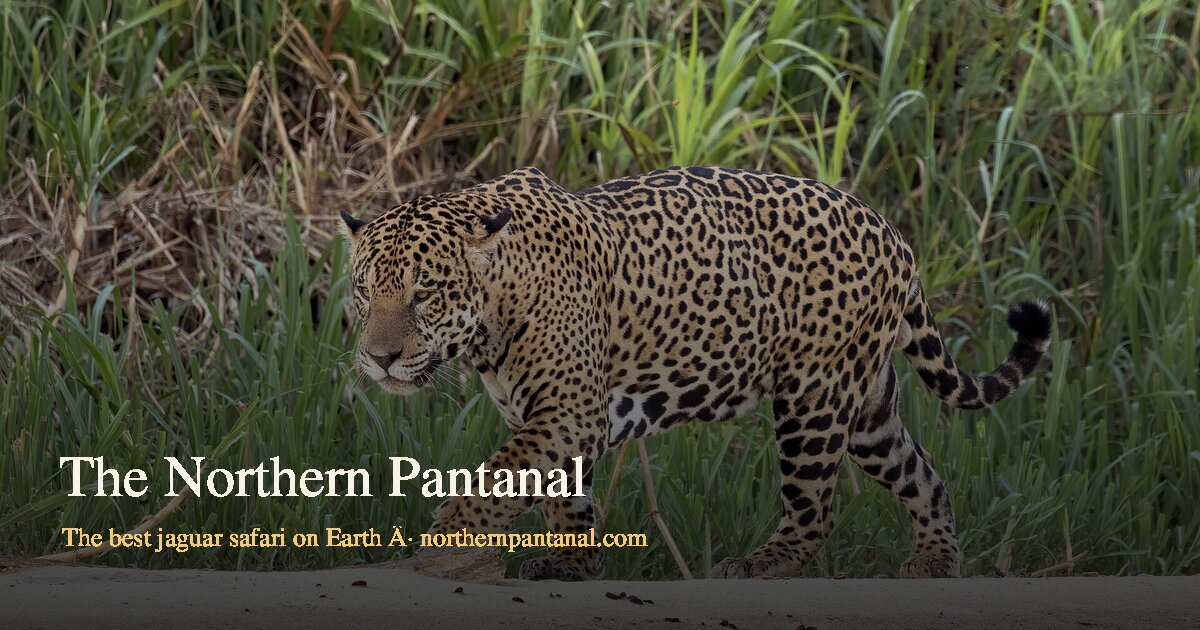
A male jaguar resting on a Pantanal riverbank
Charles J. Sharp, CC BY-SA 4.0
PORTO JOFRE · THE JAGUAR CAPITAL OF THE WORLD

The place where jaguars stop hiding

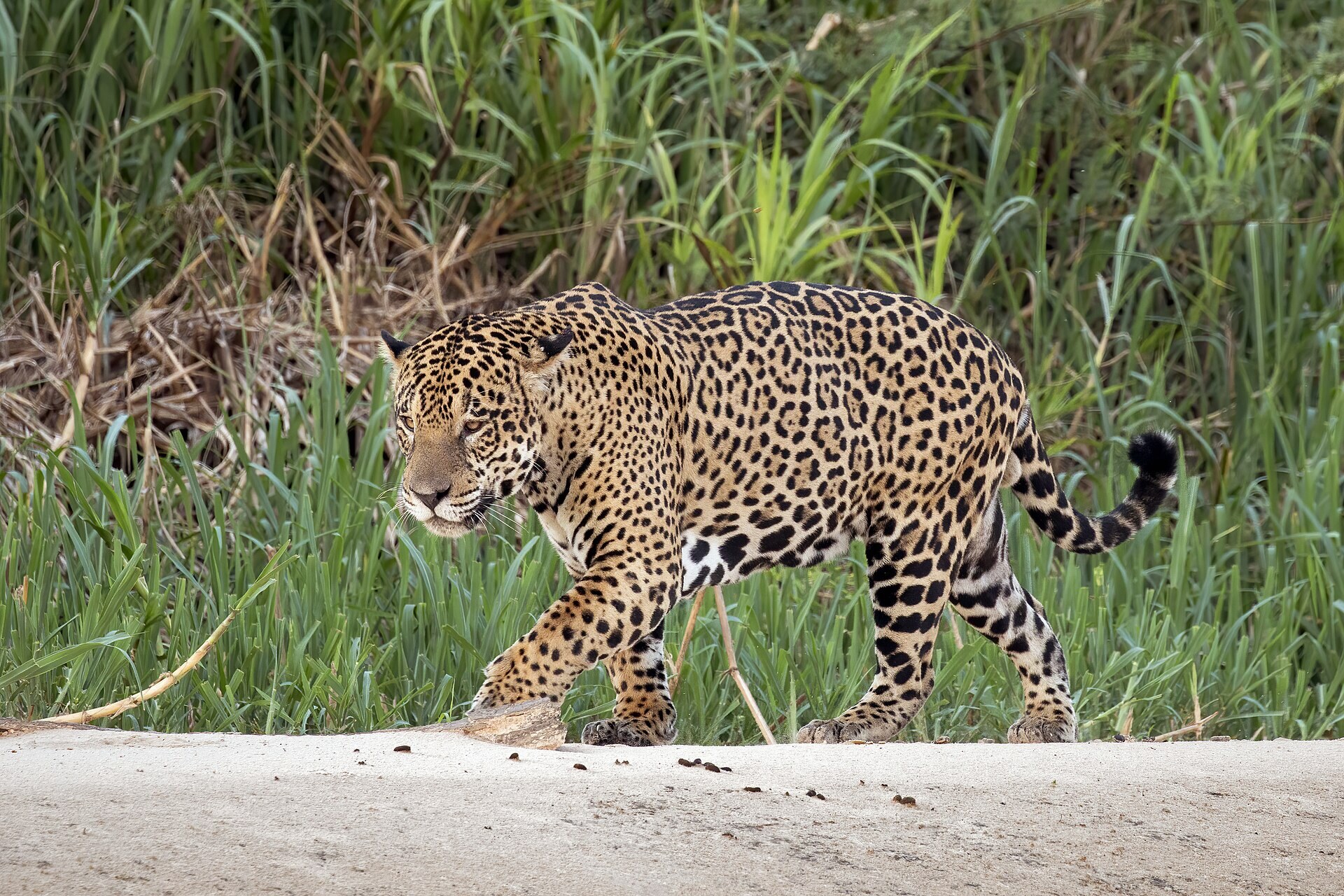
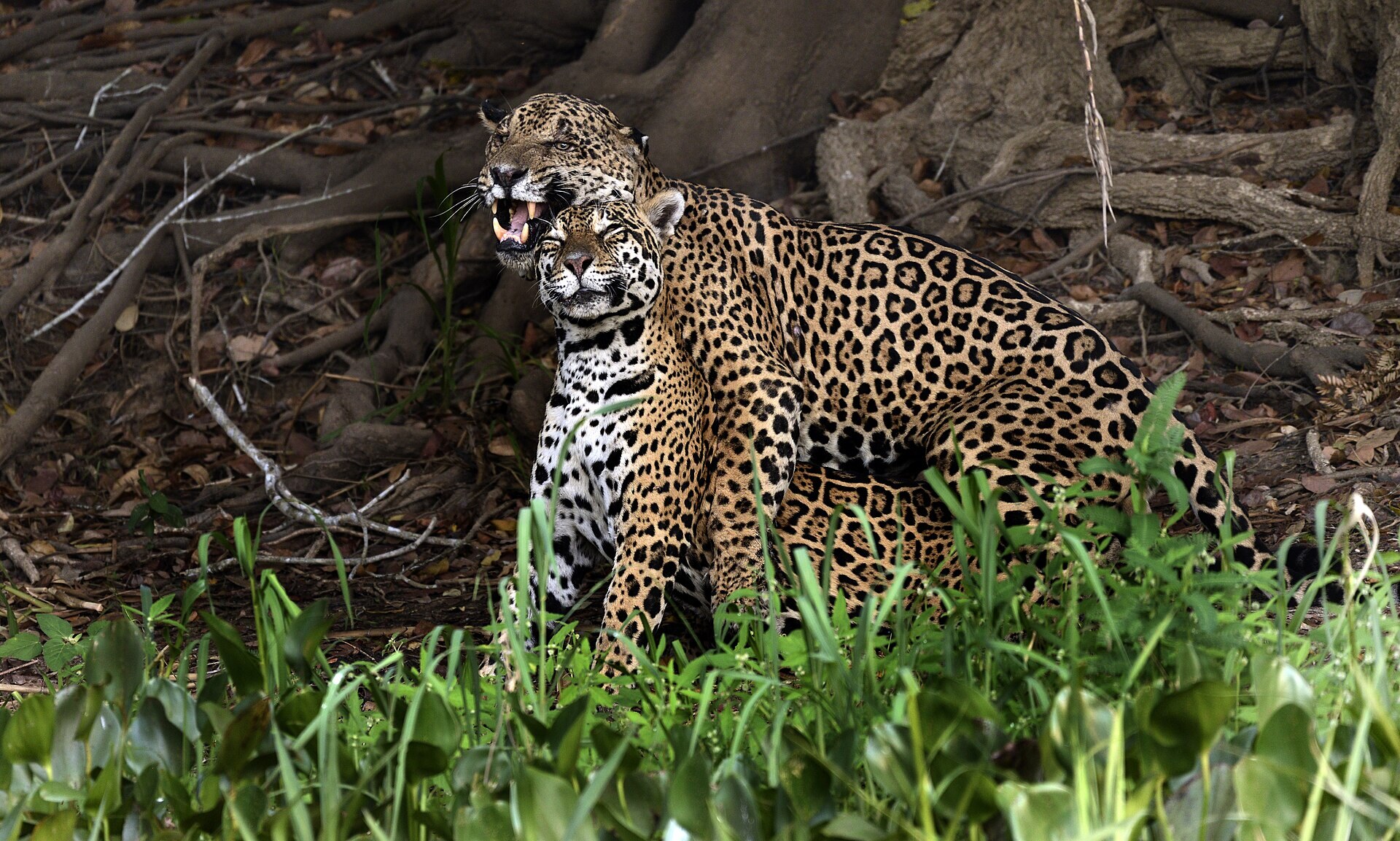
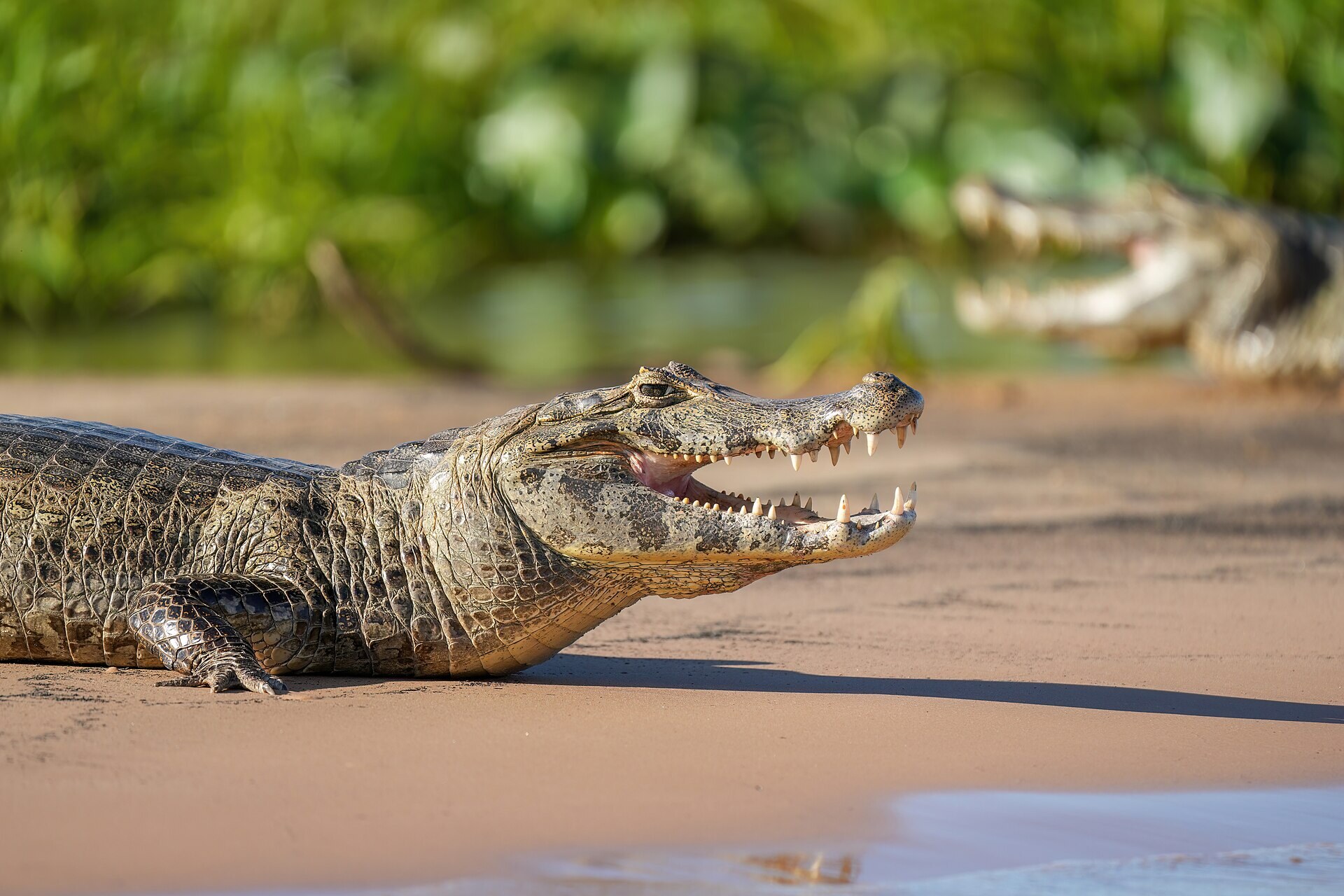
Everywhere else, seeing a wild jaguar is a lottery ticket. At the end of one dirt road in Brazil's northern Pantanal, it is practically the schedule: dry-season boats on the rivers around Porto Jofre find the world's biggest jaguars hunting caimans on open banks, in daylight, almost every single day. This is the guide to the best big-cat safari on Earth.

1 THE CAST

An open wetland with nothing to hide

The Pantanal is the world's largest tropical wetland, and its genius is simple: it is open. No forest canopy, no walls of green. In the dry season the water retreats into the rivers, the animals follow, and the whole food chain performs on the banks like a stage with the curtain up.

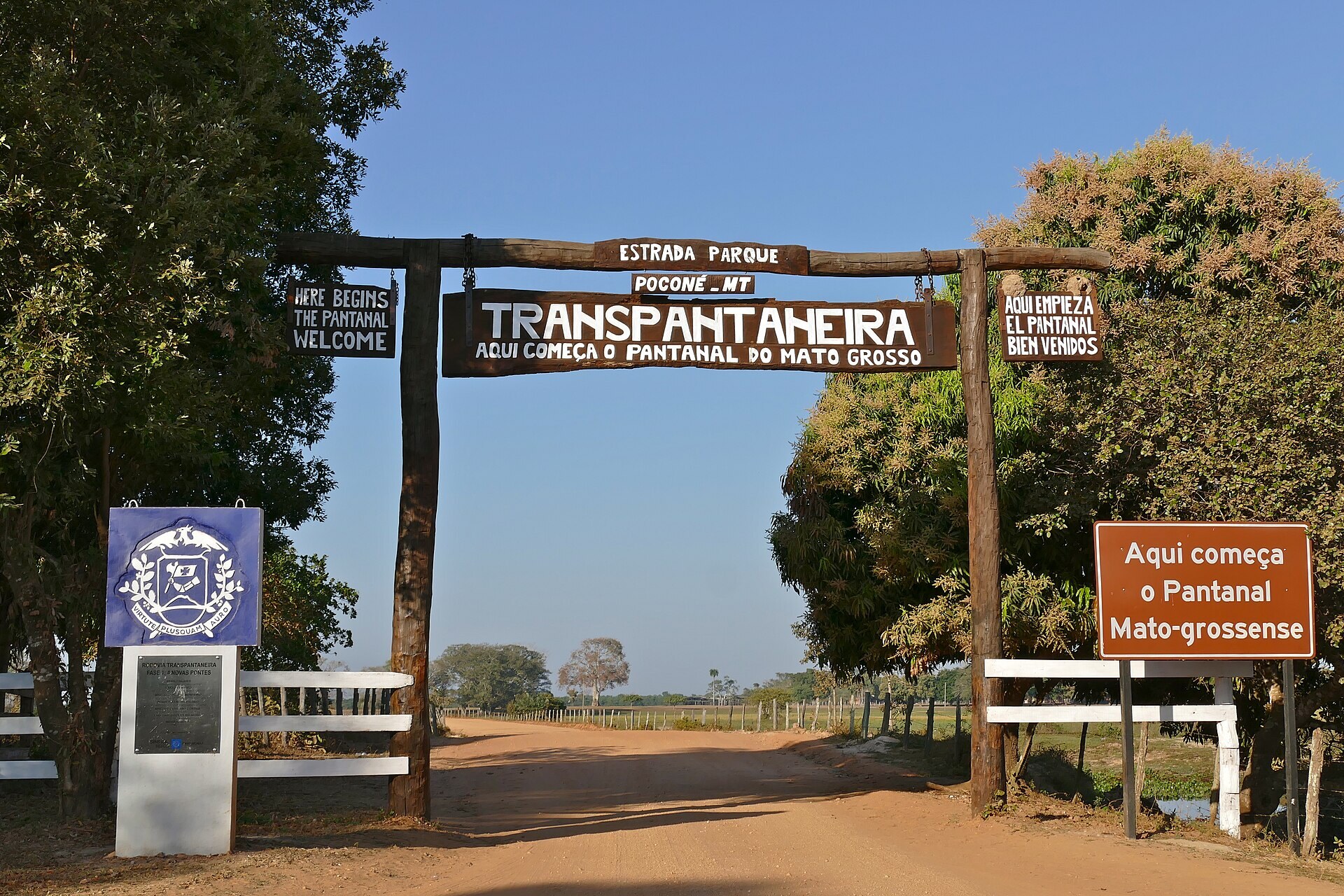
The northern side, reached from Cuiabá down the Transpantaneira, is the jaguar's kingdom: one road, a string of lodges, and at the end of it the river junction with the densest jaguar population ever recorded.

2 THE SAFARI, DECODED

Three ways to run your week

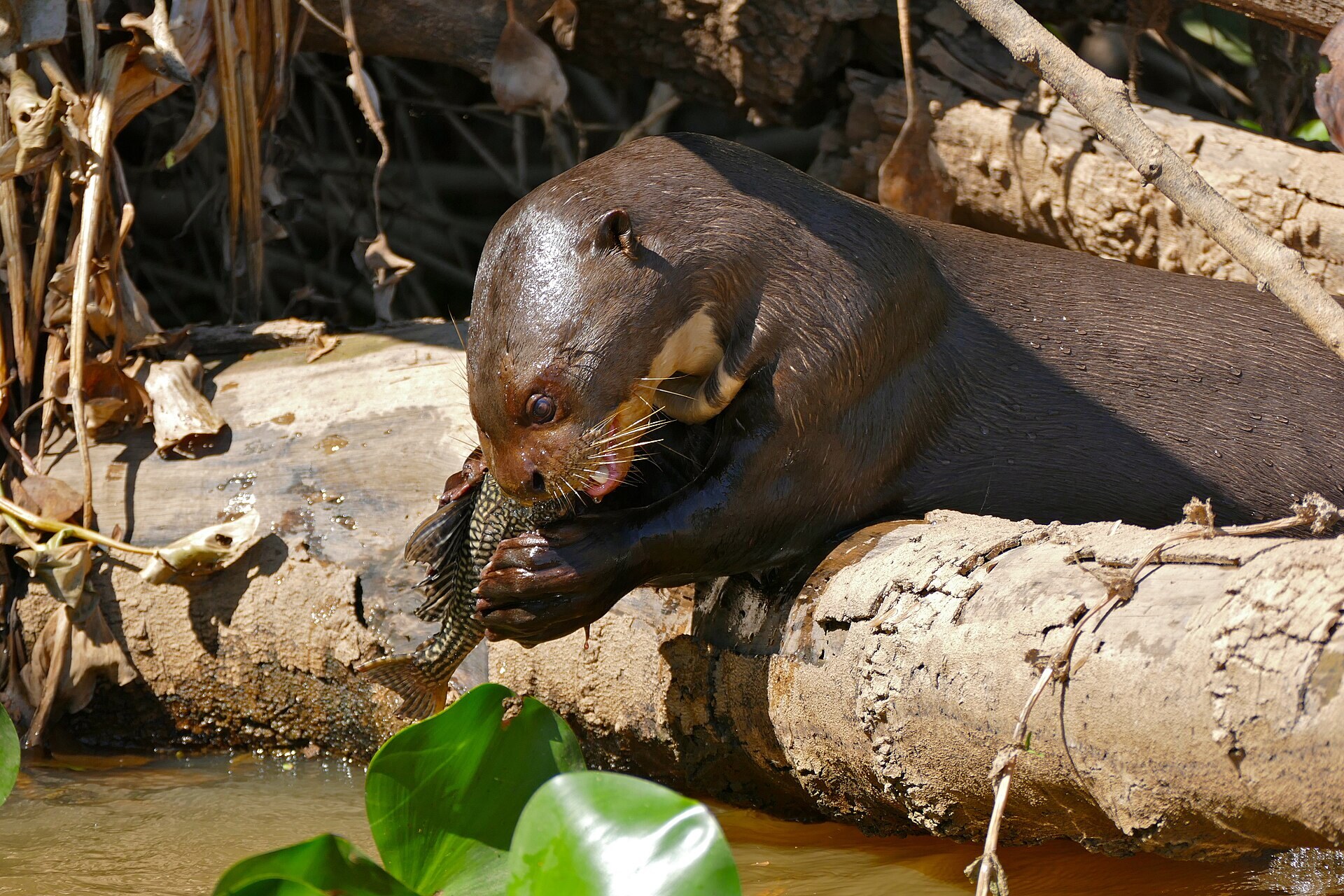
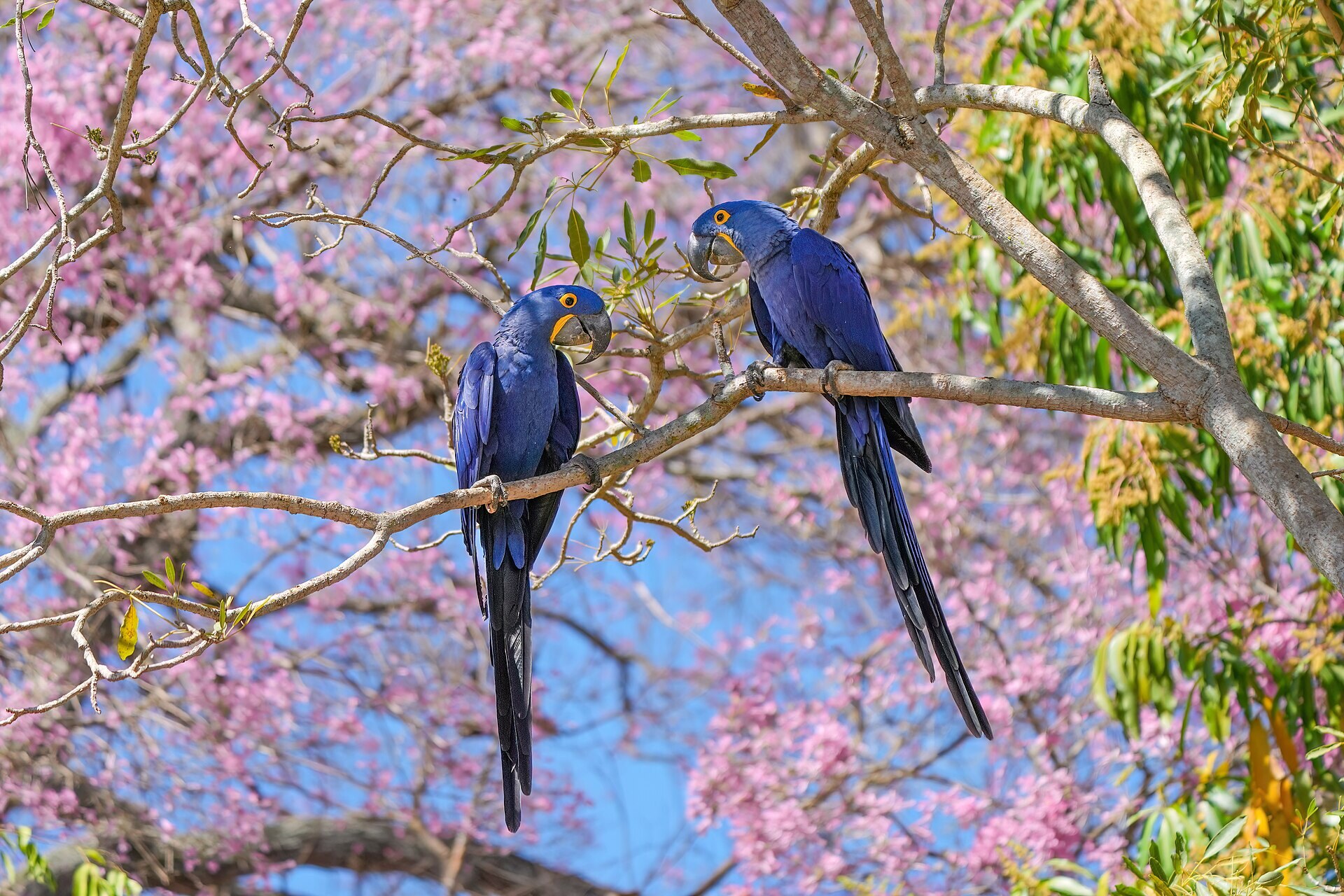
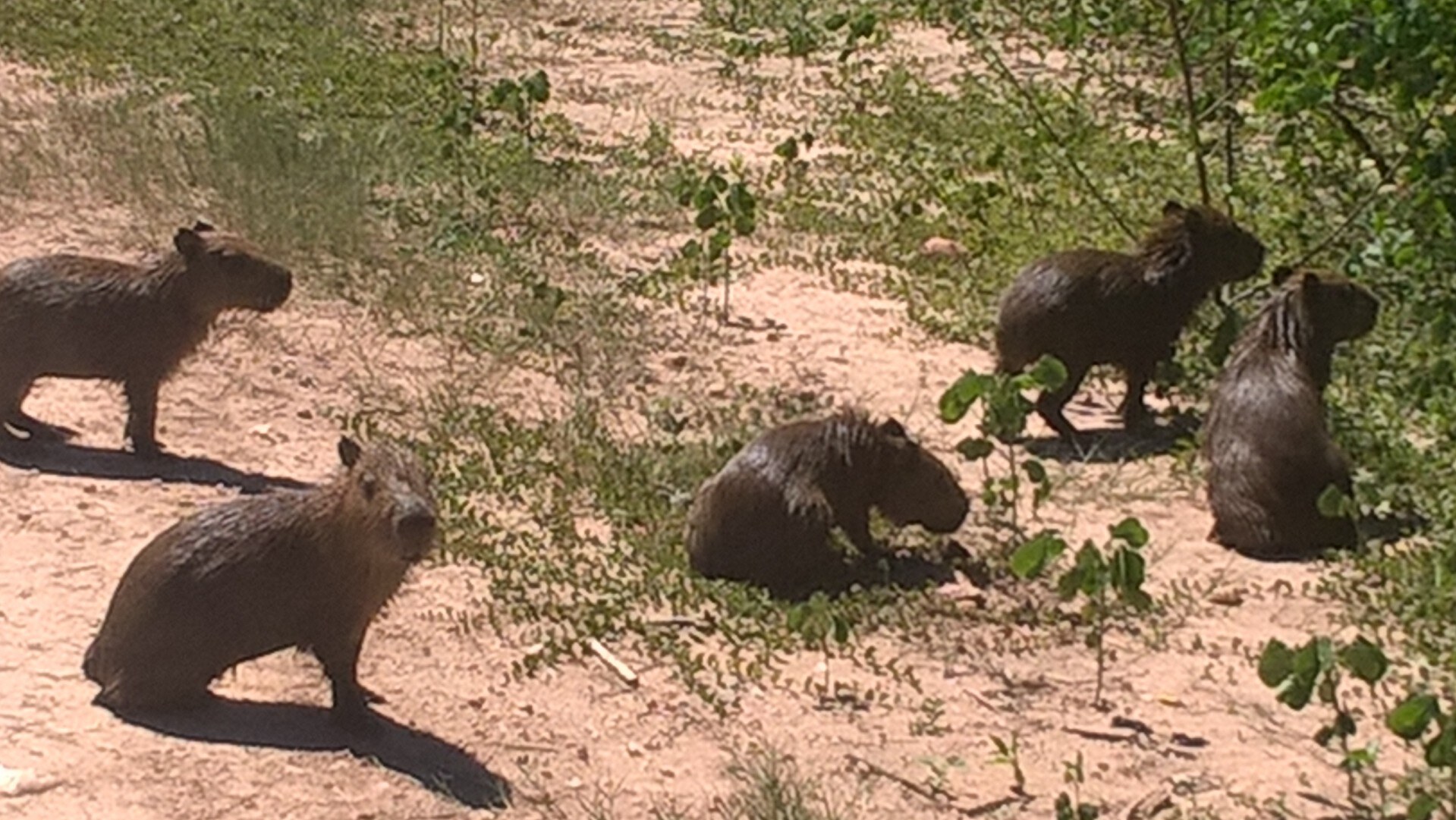
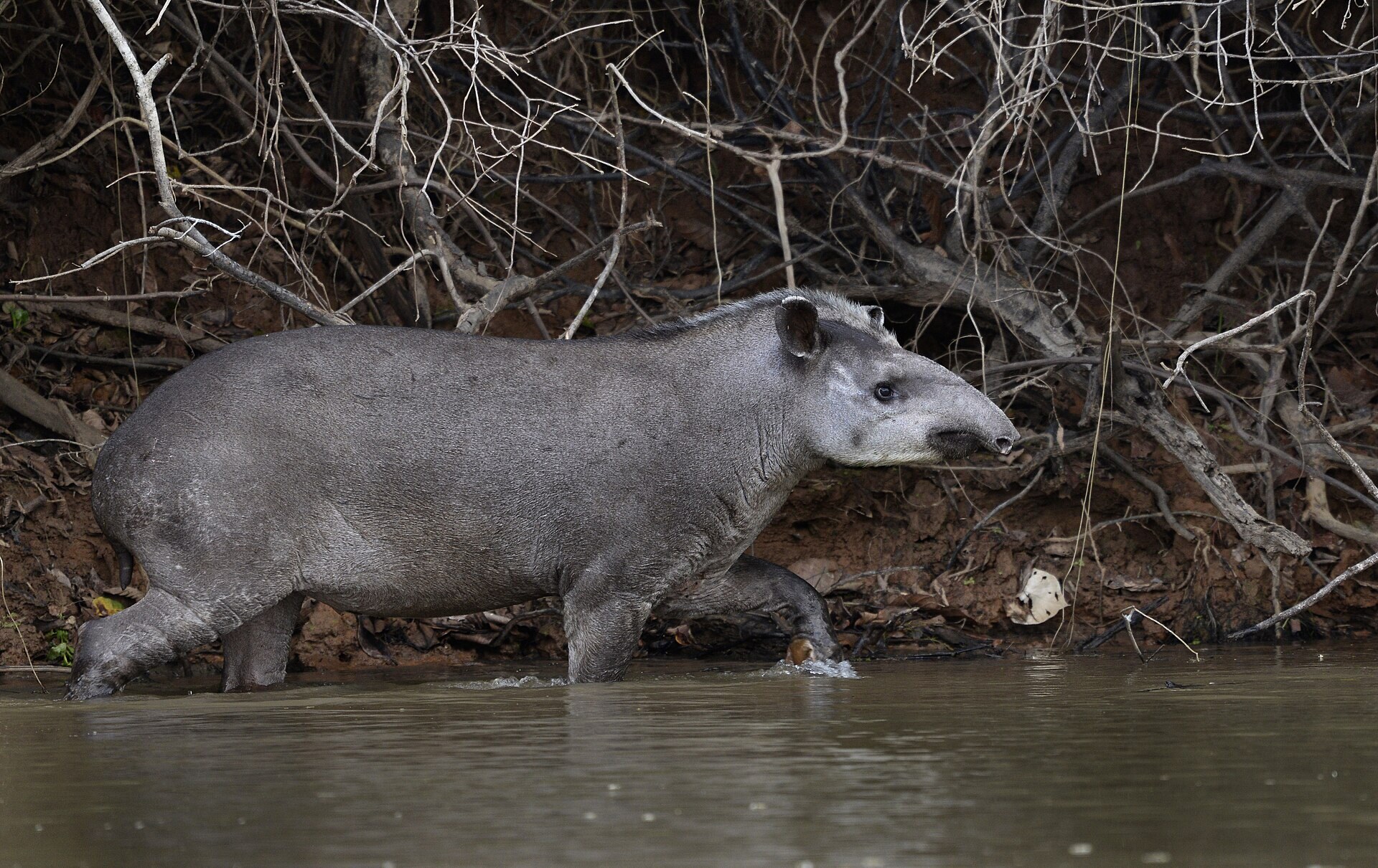
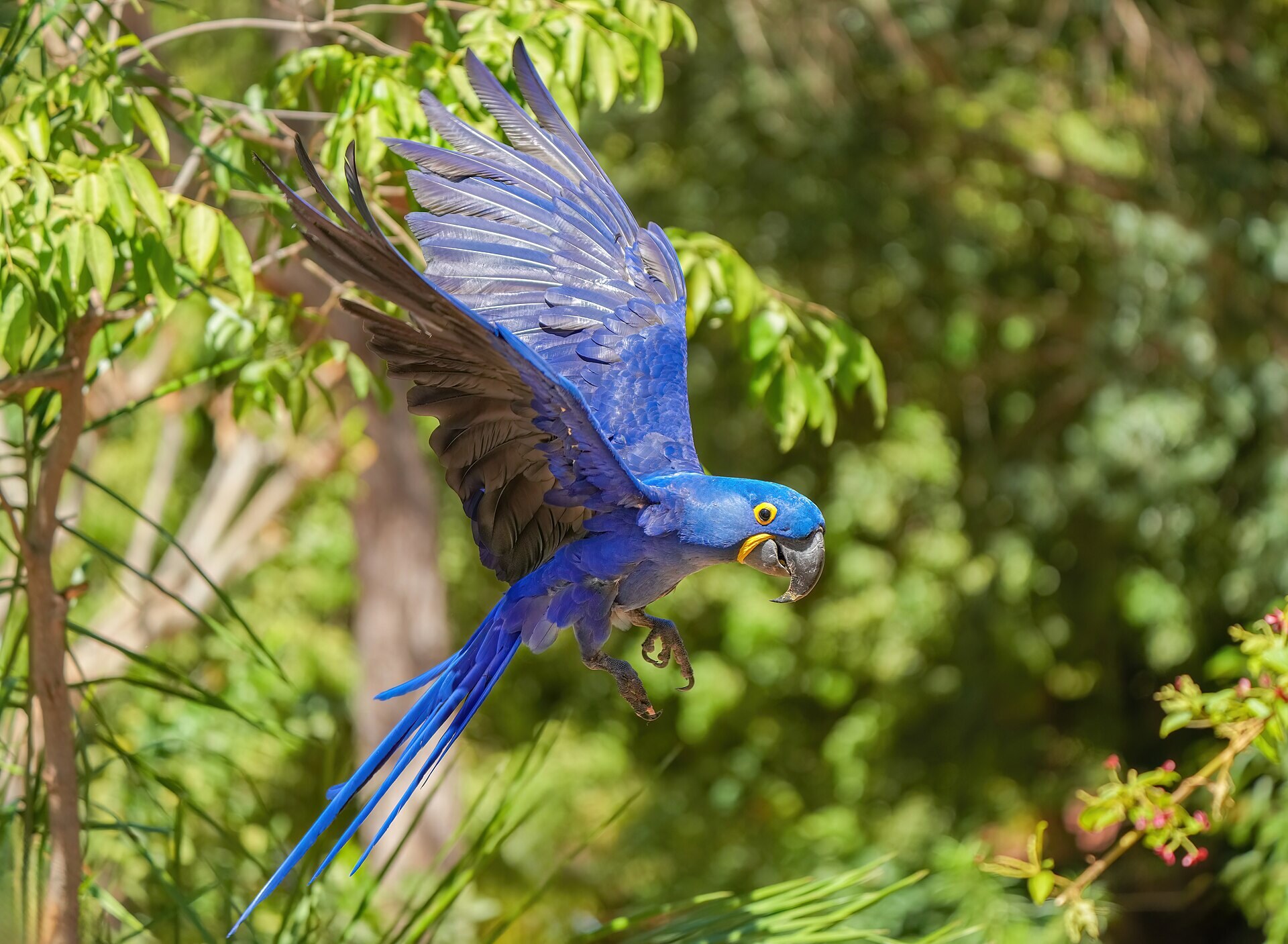
The formula is boats plus lodges: sleep at Porto Jofre or on a flotel, spend the golden hours on the water, and break the Transpantaneira drive at a lodge or two for the otters, macaws and tapirs the river misses.

PLAN A · THE CLASSIC WEEK

Transpantaneira + Porto Jofre

6-8 DAYSJUN-OCT

Fly to Cuiabá, one or two nights at a mid-road lodge on the way down, then three or four jaguar-boat days at the end of the road. The itinerary nearly every first-timer should copy.

PLAN B · MAXIMUM CAT

The flotel immersion

SLEEP ON THE RIVERFIRST BOAT OUT

Houseboat hotels moored in jaguar territory put you on the water minutes after sunrise, ahead of the day boats. The highest sighting hours per dollar, and falling asleep to howler monkeys.

PLAN C · THE GREEN SEASON

November to March

BIRDS + STORMSLOW PRICES

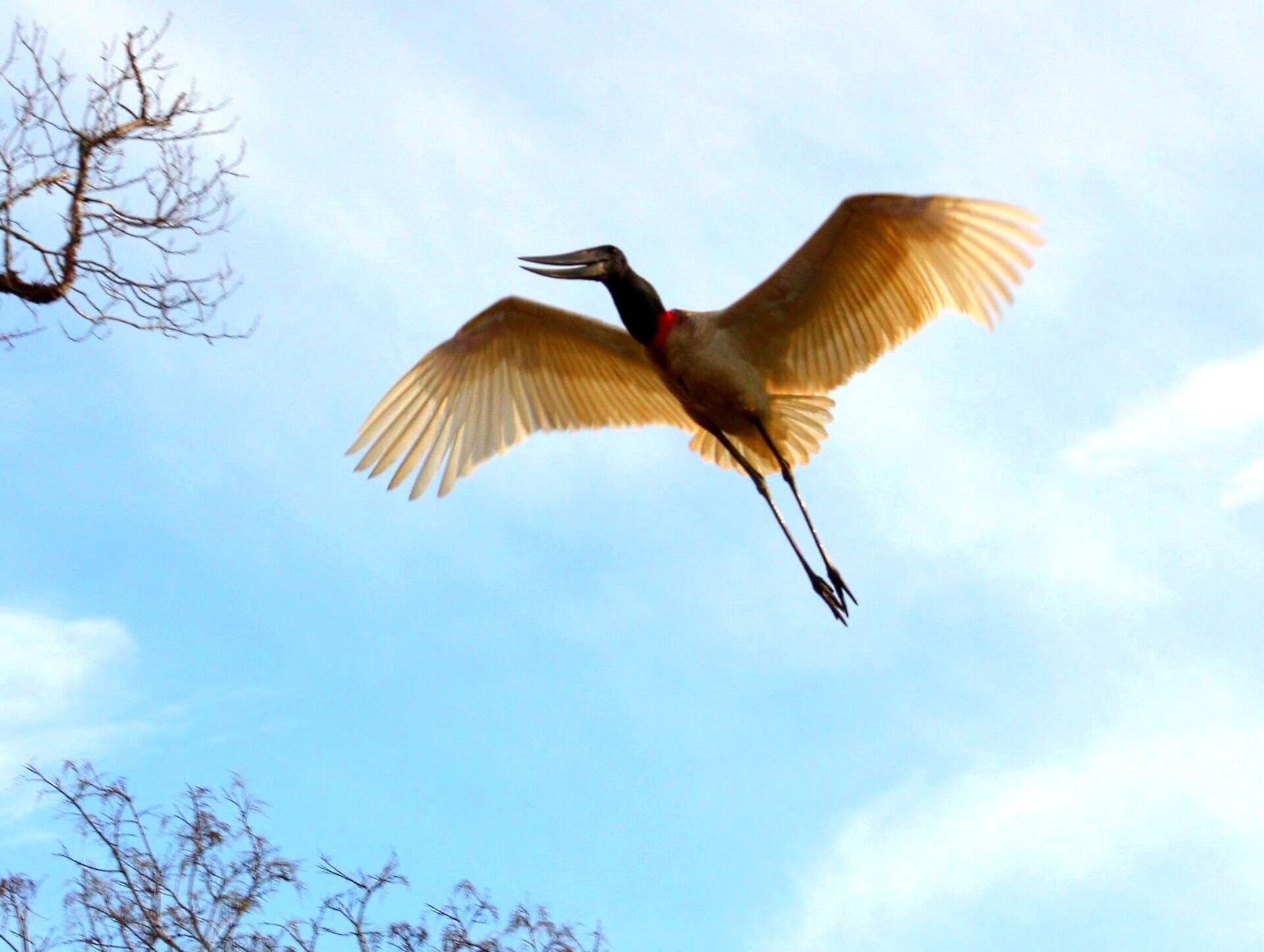
The flooded Pantanal: no jaguar boats, but nesting colonies in full roar, drama skies, empty lodges and half-price rates. For birders and photographers, secretly the beautiful season.

3 BASE CAMPS

Where to sleep along the road

Porto Jofre for the jaguar days, a Transpantaneira lodge for everything else, Cuiabá only as the airport hinge. Book early for July-September: the end of the road has few beds and the world wants them.

4 THE SIGHTING LOG

Notes from the boats

Practical pieces checked against the river: seasons, costs, boat etiquette and the honest odds. New entries twice a week.

5 ASKED ON THE DOCK
Will I really see a jaguar?

In season, with three or more boat days at Porto Jofre, the overwhelming majority of visitors do, usually several times. Guides share sightings by radio and the cats are habituated to boats. No ethical operator says 100 percent; the honest word is "expect it".

When should I go?

June to October for jaguars, with July-September the peak. November to March is the flooded season: boats stop hunting for cats and the Pantanal becomes a world-class birding and landscape trip at low-season prices.

How do I get there?

Fly to Cuiabá, drive to Poconé, then 147 km of Transpantaneira dirt and wooden bridges to Porto Jofre, 4-6 hours with stops you will want to make. Lodges arrange transfers; dry-season self-driving is doable with patience.

What does it cost?

Porto Jofre runs about US$350-700 per person per night with boats included, flotels at the upper end; a classic 6-8 day trip lands around US$2,500-6,000 plus flights. Mid-road lodges cost noticeably less and round out the wildlife list.

Is it safe on the boats?

Yes: sightings happen from the water at a respectful distance, the cats ignore boats that behave, and operators follow park rules on approach and engine noise. The real hazards are sunburn and running out of memory cards.

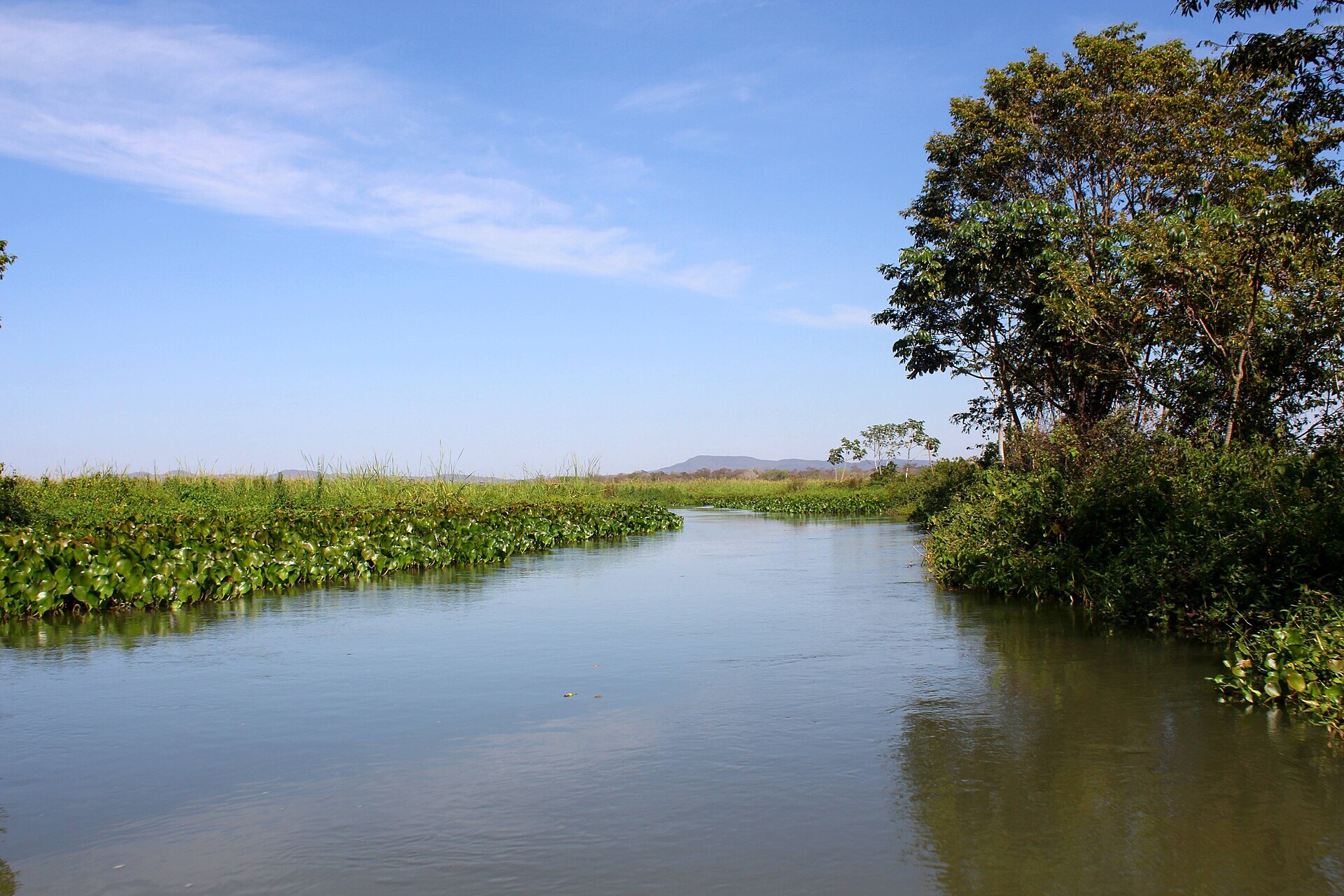
A green river winding through the Pantanal
dany13, CC BY 2.0

The cats keep office hours. Book yours.

Find a Pantanal stay