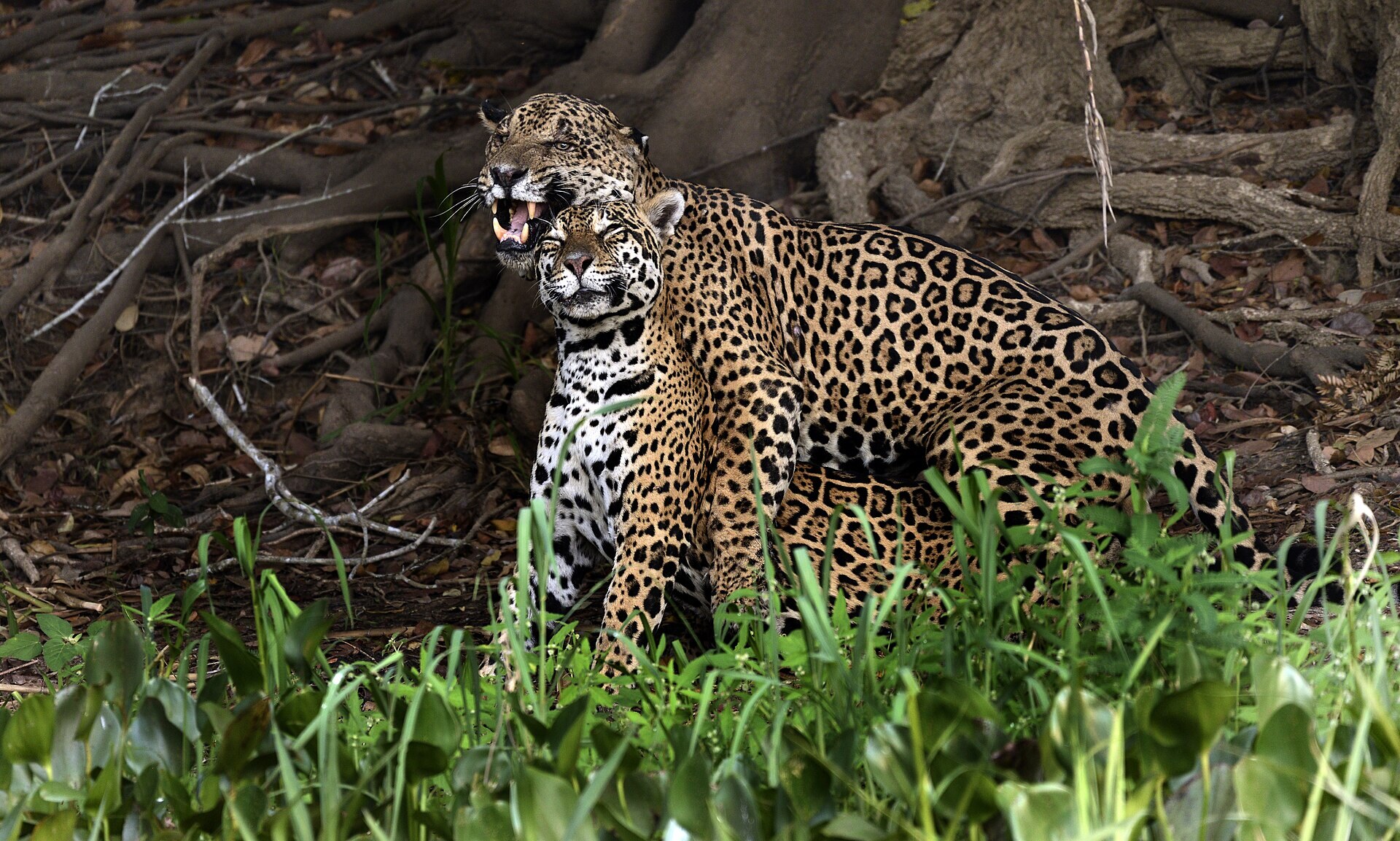
There is no town at the end of the Transpantaneira, only a boat ramp. That single fact shapes every lodging decision in the northern Pantanal. You are either staying somewhere along the 145 km dirt road itself, or you are staying at Porto Jofre, the river port where the road stops and the jaguar boats launch. A smaller number of travellers sleep aboard a liveaboard vessel moored on the Cuiaba or Piquiri rivers. Picking wrong does not ruin the trip, but it adds driving time, dust, and missed early-morning boat slots. Here is how the three options actually compare, with no invented prices and no pretending any option suits everyone.
The Transpantaneira pousada belt
Strung along the road between roughly kilometre 30 and kilometre 100, these lodges are working cattle-ranch properties converted to guest use, with a handful of rooms, a shared dining table, and horse or jeep safaris on the property itself. Expect USD 80 to 180 per night per person including meals, sometimes with a game drive bundled in. This is the right base for travellers who want birds, caiman, capybara, and a slower pace before or after the jaguar push, rather than jaguars as the single goal. Wi-fi is patchy or absent, generators often cut out after 10 pm, and rooms are simple: fan, mosquito net, cold-to-lukewarm showers. We cover the individual properties and how they differ in a ranked rundown of the pousada belt. Book these 60 to 90 days ahead for the July to September peak; smaller properties sell out faster because they have as few as eight rooms.
Porto Jofre: sleeping where the boats leave
Porto Jofre itself has a limited number of rooms, all geared toward one purpose: getting guests onto a jaguar boat at or near first light. Prices run higher than the pousada belt, often USD 150 to 300 per person per night in peak season, because demand is concentrated into a 90-day window and supply does not expand. The advantage is logistics, not comfort: zero drive time to the ramp, no 5 am dust storm behind a truck, and the option to go out again in the late afternoon if the morning was quiet. The trade-off is atmosphere: it is a transit hub for the safari economy, not a ranch retreat. For the full mechanics of how the mornings unfold here, including ramp order and radio etiquette between boats, see how Porto Jofre actually works hour by hour. Book Porto Jofre six months out for July and August; rooms here sell out before the pousada belt does.
Liveaboard boats on the rivers
A smaller slice of visitors sleep aboard a vessel anchored on the Cuiaba, Piquiri, or Tres Irmaos rivers, waking already on the water. This suits travellers prioritising maximum boat hours and minimal road time, and those arriving via charter flight rather than the Transpantaneira drive. Cabins are compact, air conditioning depends on generator hours, and per-person nightly rates often run USD 200 to 400 including all meals and excursions, reflecting the cost of running a boat as a floating hotel. It is not a budget option, but for a four- or five-night jaguar-focused trip it removes the dirt-road variable entirely. Shoulder-season availability (May, June, October) is reasonable with four to six weeks' notice; peak July-September needs three months or more.
Porto Jofre and liveaboards for July-September should be locked in by March or April. Pousada belt rooms can often still be found 4-6 weeks out in the same window, but the smallest properties (under ten rooms) go first.
Matching the stay to the trip
For a first visit with five or six nights, a common pattern is two nights on the pousada belt (birds, caiman, the road itself) followed by two or three at Porto Jofre or aboard a boat for concentrated jaguar time. For a tight three-night jaguar-only trip, skip the road lodges and go straight to Porto Jofre or a liveaboard: every night not spent near the ramp is a missed dawn departure. Families and slower travellers tend to prefer the ranch atmosphere of the pousada belt, where children can see capybara from the porch without a boat at all. Serious photographers chasing specific sightings and willing to pay for boat-hour density gravitate to Porto Jofre or liveaboards, where a second afternoon outing is simply a matter of asking.
Season, river level, and why it changes the calculus
In the wet season (roughly November to March), parts of the Transpantaneira can flood or wash out, and several pousadas close or run skeleton service; this is also when jaguar sightings from Porto Jofre drop, because cats move inland away from the rising river. Dry season (June to October) is when the whole accommodation system is under pressure, because it is also when river levels expose the sandbanks jaguars favour. If your trip dates are flexible, shifting even two weeks earlier into June loosens both pousada and Porto Jofre availability while sightings odds remain reasonable. For the full season-by-season breakdown of what each month actually delivers, read the Pantanal's seasons, honestly. However you shape the itinerary, the drive to get there is its own story, told in detail in driving the Transpantaneira's 122 bridges.
The short version
If jaguars are the only goal and budget allows, sleep at Porto Jofre or aboard a liveaboard. If you want a fuller Pantanal picture, mix two nights of pousada belt with two or three nights near the ramp. Book the river-adjacent nights first; the ranch rooms along the road have more flexibility, but Porto Jofre and the boats do not wait.