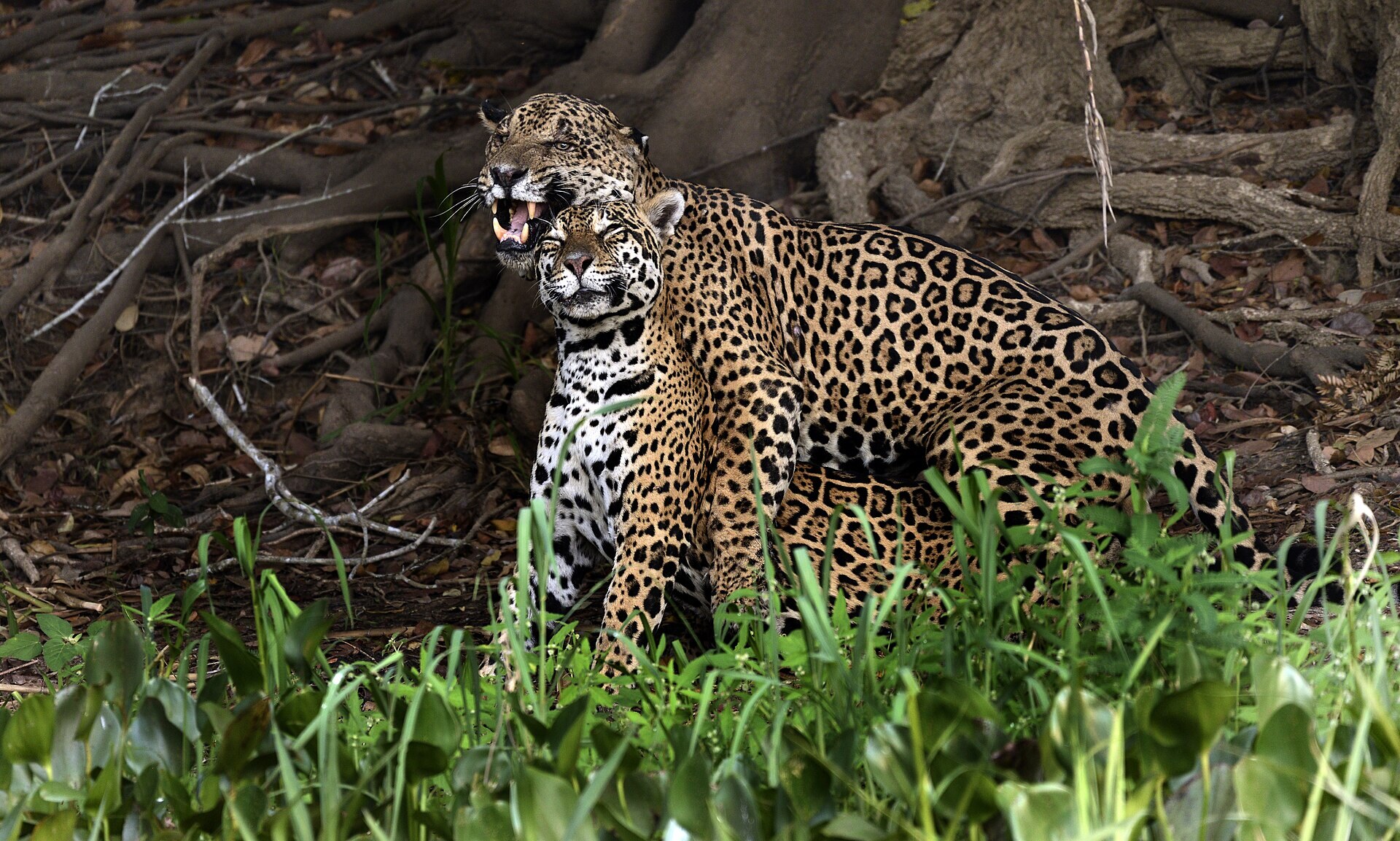
Every Northern Pantanal trip starts the same way: a plane lands in Cuiabá, and from there the traveller has to cover roughly 145 km to Poconé, then whatever distance further south the chosen lodge sits on the Transpantaneira. There is no train, no river route from the city, and no shortcut around the dirt road. The choice is really between four options: a private transfer, a rental car, a shared shuttle, or the public bus to Poconé followed by a local arrangement. Each has a different balance of cost, flexibility, and tolerance for the unexpected, which on this road usually means a loose plank on a bridge or a delay at a flooded low point in the wet season.
Flying into Cuiabá: what to expect on arrival
Marechal Rondon International Airport (CGB) sits about 10 km from central Cuiabá and receives daily flights from São Paulo, Brasília, and other hubs, with connections rather than direct international service. There is no ATM shortage and car rental counters operate inside the terminal, but signage for the Pantanal itself is minimal: this is a gateway to the state of Mato Grosso generally, not a dedicated Pantanal airport. Travellers heading straight to a lodge should confirm in advance whether a driver is meeting them at arrivals, since the pickup zone outside gets crowded and phone signal can be patchy for the first few minutes after landing.
Private transfer: the simplest, least flexible option
Most lodges and pousadas along the Transpantaneira arrange private transfers, typically a 4x4 or van with a driver who knows the road. Expect to pay somewhere in the range of 600 to 1,200 BRL for the one-way trip, depending on distance south and vehicle type, with prices rising toward Porto Jofre. The drive itself runs 4 to 6 hours to the northern stretches of the road and closer to 7 to 8 hours to reach Porto Jofre, including a stop in Poconé for fuel and a bathroom break. This option removes the guesswork: the driver handles the 122 bridges, the seasonal mud, and the inevitable cattle crossing the road. It suits travellers arriving late in the day or those unwilling to self-navigate a road with no streetlights and few other vehicles after dark.
Renting a car: control over the schedule, at a cost
Self-driving appeals to photographers and birders who want to stop constantly, which the Transpantaneira genuinely rewards. Rental rates in Cuiabá for a basic sedan start around 150 to 200 BRL per day, though a high-clearance vehicle or proper 4x4 is strongly advisable, particularly from December to March when the road can flood in sections. Full details on surface conditions, bridge counts, and the driving experience itself are covered in the dedicated guide to the road. One practical note: fuel stations thin out fast south of Poconé, so filling the tank there is not optional, it is the last reliable pump for hours. Insurance terms should be read carefully, since some rental contracts exclude damage on unpaved roads entirely.
Poconé has the last full-service gas stations before the Transpantaneira begins. Fill up here regardless of how much fuel remains in the tank: the next reliable pump is hours south, and some lodges do not keep spare diesel for guests.
Shared shuttles and group transfers
A middle option exists for budget-conscious travellers who still want door-to-door service: shared shuttles, usually arranged through lodges or local operators, that combine multiple guests heading to the same general stretch of road. These run less frequently than private transfers, often tied to specific arrival days, and cost roughly 150 to 300 BRL per person. The trade-off is a fixed departure time and possibly a longer total journey if the van makes several stops. This works well for solo travellers or couples on a set itinerary, particularly those who have already decided between a lodge along the road or a base near Porto Jofre, since the shuttle's final stop needs to match the booking.
Public bus to Poconé, then onward
The cheapest route is a regular bus from Cuiabá's bus terminal to Poconé, taking around 2 hours and costing under 50 BRL. From Poconé, though, public transport south along the Transpantaneira is unreliable at best and largely absent in practice: there is no scheduled service running the length of the road to the pousada belt or Porto Jofre. Travellers taking this route generally need to pre-arrange a pickup in Poconé with their lodge, turning the bus into the first leg of what is still effectively a private transfer. This option makes sense mainly for budget travellers confident in their logistics, not as a complete solution on its own.
Timing the trip around season and daylight
Road conditions and travel time shift with the season. In the dry months, roughly May to September, the Transpantaneira is firmer and faster, and a transfer to the pousada belt can comfortably finish before dark if the traveller leaves Cuiabá by early afternoon. In the wet season, November to March, standing water and soft patches slow everything down, and arrivals should be planned for daylight hours only: night driving on a flooded dirt road with no lighting is a risk few drivers, rental or otherwise, should take. Full seasonal detail, including how water levels affect both the road and the wildlife viewing at the other end, is laid out in the season-by-season guide. As a rule of thumb, book transfers to depart Cuiabá no later than early-to-mid afternoon regardless of season, since the margin for delay (a slow bridge, a herd of cattle, a flat tyre) is real and growing it is not available after dusk.
Choosing based on where you are headed
The right transport choice depends heavily on the final destination. Lodges in the first third of the Transpantaneira, closer to Poconé, are reachable by most options including a careful self-drive. Properties near Porto Jofre, at the road's southern end, are a longer and more demanding trip, and most visitors heading there for jaguar sightings opt for a private transfer or a package that bundles transport with the boat safari itself. Whichever option is chosen, confirming pickup details, vehicle type, and expected arrival time directly with the lodge beforehand avoids the single most common problem travellers report: standing at the airport with no clear sense of who is coming, or when.