Ask ten guides in Porto Jofre when the rainy season starts and you will get ten different dates clustered around late October or November, and all of them will add a caveat about the current year running early or late. What is not in dispute is the effect: rivers that were low and brown in September rise several meters, the floodplain reclaims pastures, and the Transpantaneira's 122 bridges start seeing water lap at their timber decks rather than sit two meters below. This is not a season to avoid outright, but it is one to plan around with open eyes.
When the rains actually arrive
The wet season in the Northern Pantanal runs approximately from November through March, with January and February usually the wettest months. Rainfall does not mean constant downpour: a typical day brings a few hours of heavy rain, often in the afternoon, bookended by sun and humidity that makes everything feel like a sauna. Daytime temperatures regularly sit between 30 and 36 Celsius, and the combination of heat and standing water is the main physical challenge, more than the rain itself. For a month-by-month breakdown of temperatures and river levels, the site's season by season guide goes further than general dates.
What happens to the Transpantaneira
The dirt road that is the spine of any Northern Pantanal trip takes the brunt of the wet season. Sections north of Poconé, particularly past kilometer 100, can develop standing water, mud ruts and the occasional washout after a hard storm. Some of the 122 bridges are concrete and solid in any weather, but a number of the older wooden ones flex and lose planks, and after a very wet week local trucks may stack rocks or branches to mark a weak spot rather than wait for repairs. A 4x4 with good clearance is advisable from December through March, and even then, a call to your lodge the morning of departure to check the day's passability is standard practice, not paranoia. Self-driving in heavy rain is where most of the handful of serious incidents on this road happen.
Between December and March, confirm road conditions with your accommodation or transfer driver on the morning of travel. Flooded low points can close sections for a few hours after storms, and transfer vehicles sometimes reroute or delay by half a day rather than risk a crossing.
Wildlife: fewer jaguars, more of almost everything else
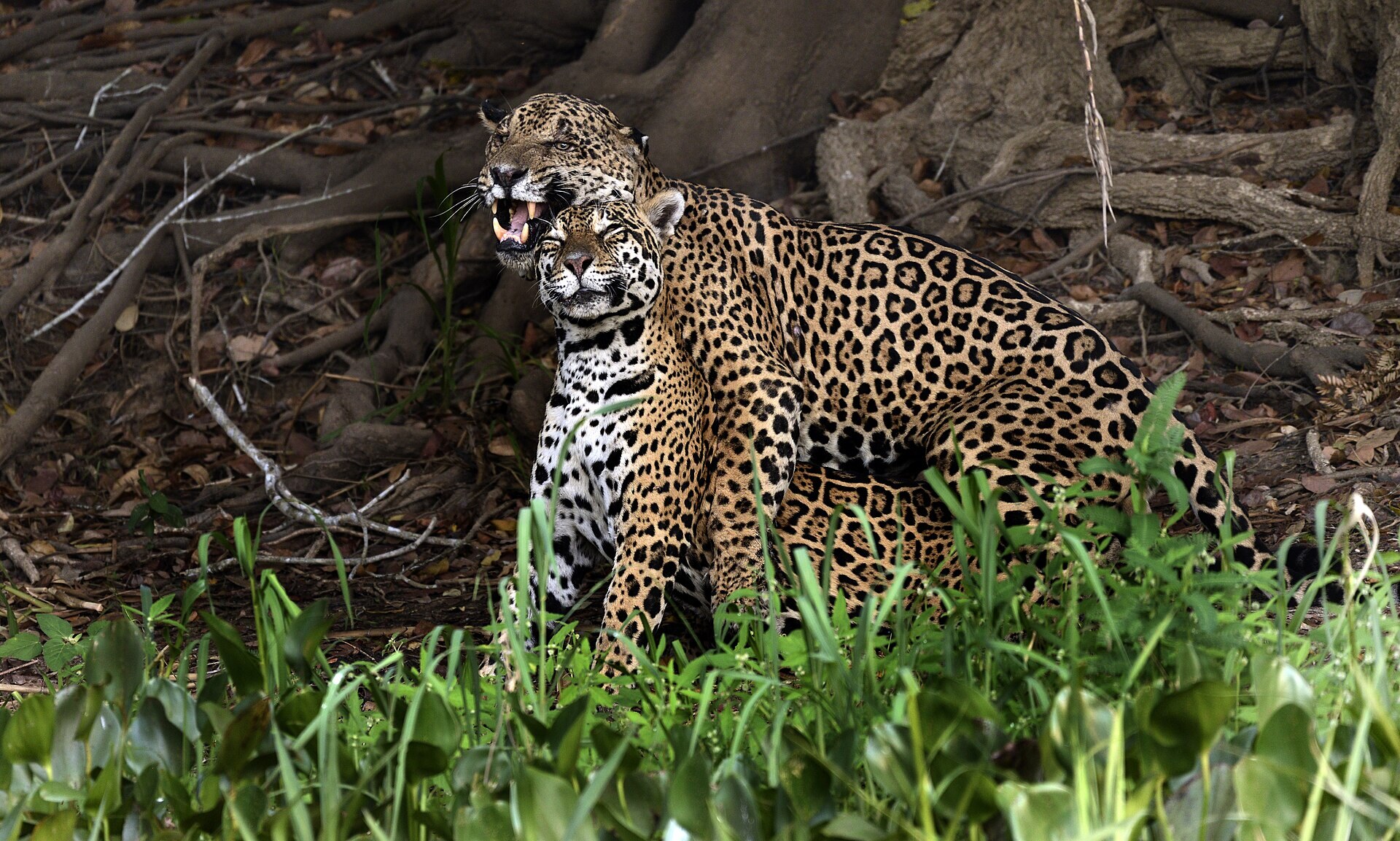
This is the trade-off that matters most. Jaguar sightings along the Cuiabá and Piquiri rivers drop sharply in the wet season: many boats that run jaguar-focused trips simply pause operations from roughly December to March or April, because higher water disperses the cats away from the exposed riverbanks they favor in the dry months, and because rough water makes small boats a harder, slower ride. If jaguars are the priority, the dry season window covered in the Porto Jofre boats and odds guide is the honest answer, not the wet months. What the rains do bring is a surge of birdlife: nesting herons, storks and ibises crowd the flooded lagoons, caimans are everywhere in the roadside ditches, and the vegetation turns a green that photographs well against grey skies. Capybara and marsh deer numbers hold steady and are often easier to spot against fresh grass.
Boats, river access and what still runs
Porto Jofre itself stays reachable by road in most conditions, though the final approach can be slow after rain. River excursions continue, but the character changes: currents run faster, some smaller tributaries become impassable to standard aluminum boats, and operators may shift routes to the main river channels. If a jaguar safari is still the goal despite the odds, cross-reference current operator schedules in the hour-by-hour Porto Jofre how it works guide before booking anything in December or January; several outfits simply do not run boats in the deep wet months.
Prices and crowds: the upside of mud
The wet season is the Pantanal's low season commercially, and rates at pousadas along the road often drop by 20 to 40 percent compared to the July to September peak. Fewer vehicles on the Transpantaneira also means a quieter, more solitary drive, if a slower one. The where to stay guide flags which lodges stay open year-round versus those that close or reduce staff between January and March, which is worth checking before booking a wet season trip, since not every property runs a full kitchen or guided program in the deepest months.
Getting there and getting around
Transfers from Cuiabá still run in the rainy season, typically by private 4x4 or shared van, and flights into Cuiabá are unaffected by Pantanal rainfall. The practical change is travel time: a transfer that takes three and a half hours in July can stretch past five if the road requires slow, careful driving through standing water. The transport options guide covers current vehicle choices and approximate costs, most of which hold steady year-round even as travel times shift with the weather.
Is it worth it
The rainy season suits a particular traveler: someone drawn to birdlife, lush landscapes and lower prices, who accepts that jaguars are unlikely and that road delays are part of the deal, not a failure of planning. It does not suit anyone whose trip is built around a single jaguar sighting, or anyone uncomfortable with the idea of a flooded road forcing a change of plan. Pack light rain gear, confirm your pousada's wet season program before arrival, and build at least one buffer day into transfers either side of the Transpantaneira.